
Comparisons
Head-to-head AI tool comparisons to help you pick the right one with confidence.
Two AI tools can both be good and still be wrong for you in completely different ways. That is why this section exists. Every comparison here puts two or more tools through the same set of questions, side by side, so the differences that matter in daily use stand out from the differences that only look good in a feature table.
The structure is consistent on purpose. First, a table of the hard facts: pricing at monthly and annual billing, taken from the vendors’ own pages; the limits that come with each plan; platform and language support; what the free tier allows. Then the rounds — output quality, ease of use, speed, the workflow each tool expects from you — where each tool is allowed to win the rounds it genuinely wins.
What every comparison covers
- Pricing on equal terms — same billing period, same plan tier, no teaser rates.
- The limits and fine print: credits, seats, export caps, watermarks.
- Where each tool’s output is actually stronger, with the trade-offs named.
- A clear pick for each kind of reader, not a single forced winner.
There is no ‘both are great, it depends’ ending here. It always depends on who you are, so the verdict says so directly: if you are a solo creator on a budget, pick this one; if you run a team’s content, pick that one. When one tool wins outright for almost everyone, the comparison says that too, and explains what the loser still does better.
When a tool in a published comparison changes its pricing or ships a feature that flips a round, the comparison is revisited and the verdict updated. Tools in this space move too fast for a comparison to stay honest on its own. And if you are deciding this week, the quick answer at the top of each comparison is the two-minute version of everything the full piece argues below it.
-
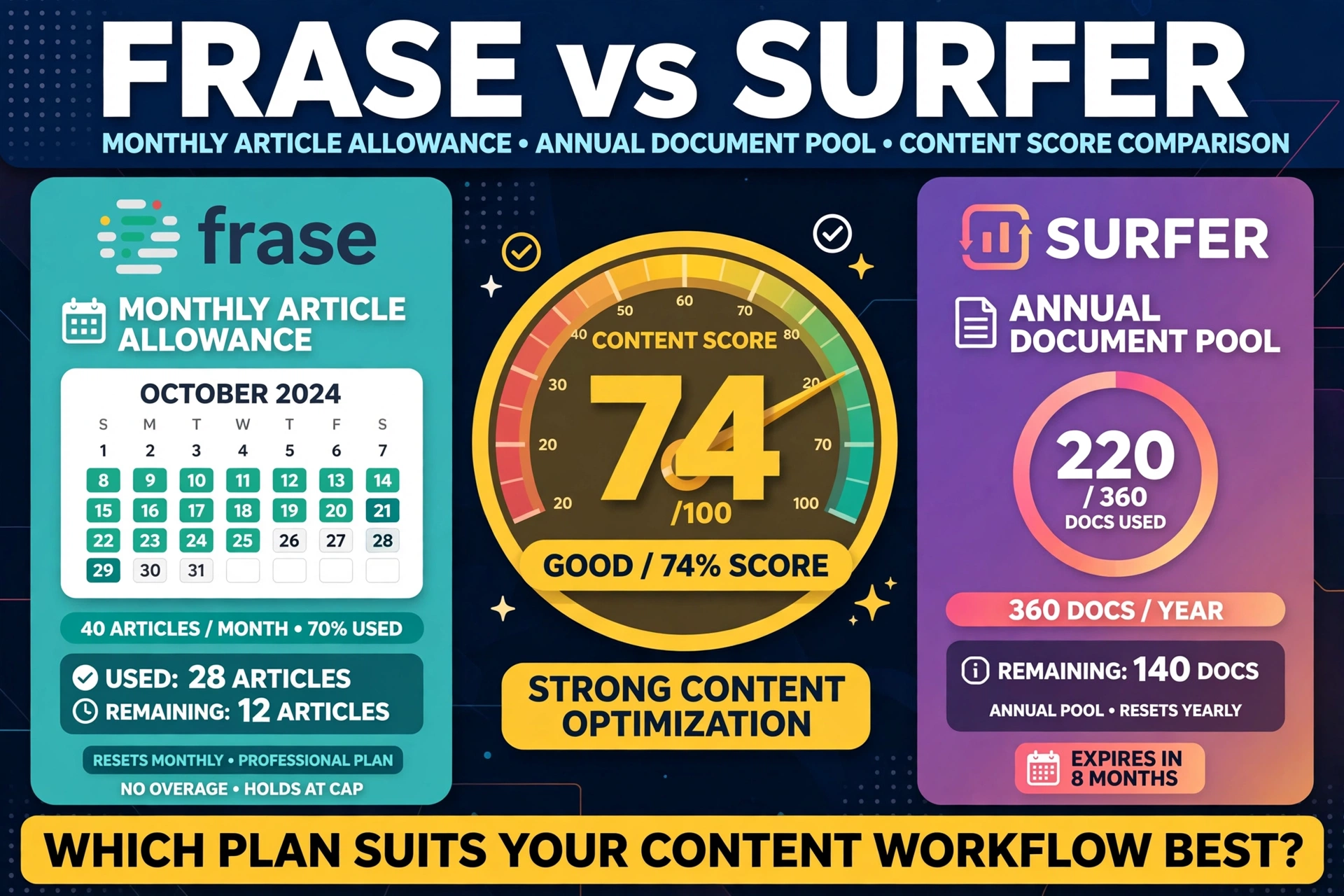
Surfer vs Frase: Which AI SEO Tool Is Worth It in 2026?
Frase gives you a monthly research-to-publishing allowance. Surfer gives you an annual pool of optimization documents. The sticker prices look similar; the… Read More →
-

Best AI Interview Prep Tools (2026): Mock Practice vs Live Copilots — and Which to Avoid
Practice tools make you better at interviewing. Live copilots feed you answers during the real thing — and can cost you the… Read More →
-

Clearscope vs MarketMuse (2026): Which Content Tool Is Worth Paying For?
Clearscope grades the draft in front of you. MarketMuse decides what to write next across your whole site. Here is what each… Read More →
-

Best AI Tools for Google Sheets in 2026: 6 Picks by Job — Formulas, Bulk Work & Live Data
Most Google Sheets AI add-ons do one job well and the others badly. Pick by the job — one formula, bulk rows,… Read More →
-

Best AI Product Photo Generators (2026): Listing-Ready Shots Without a Photoshoot
The best AI product photo generator is the one whose output still looks like your product. Here is how six tools compare… Read More →
-

Best Citation Generators for Students (2026): Tested for APA & MLA Accuracy — Free Tiers Checked
Most citation generators are not AI at all — they are rules plus metadata lookup. The real differences are accuracy on real… Read More →
-

Best AI Invoice Generator for Small Business (2026): Get Paid Faster Without the Accounting Suite
The best invoice generator for a small business is the one that gets you paid with the least friction: free-tier caps you… Read More →
-
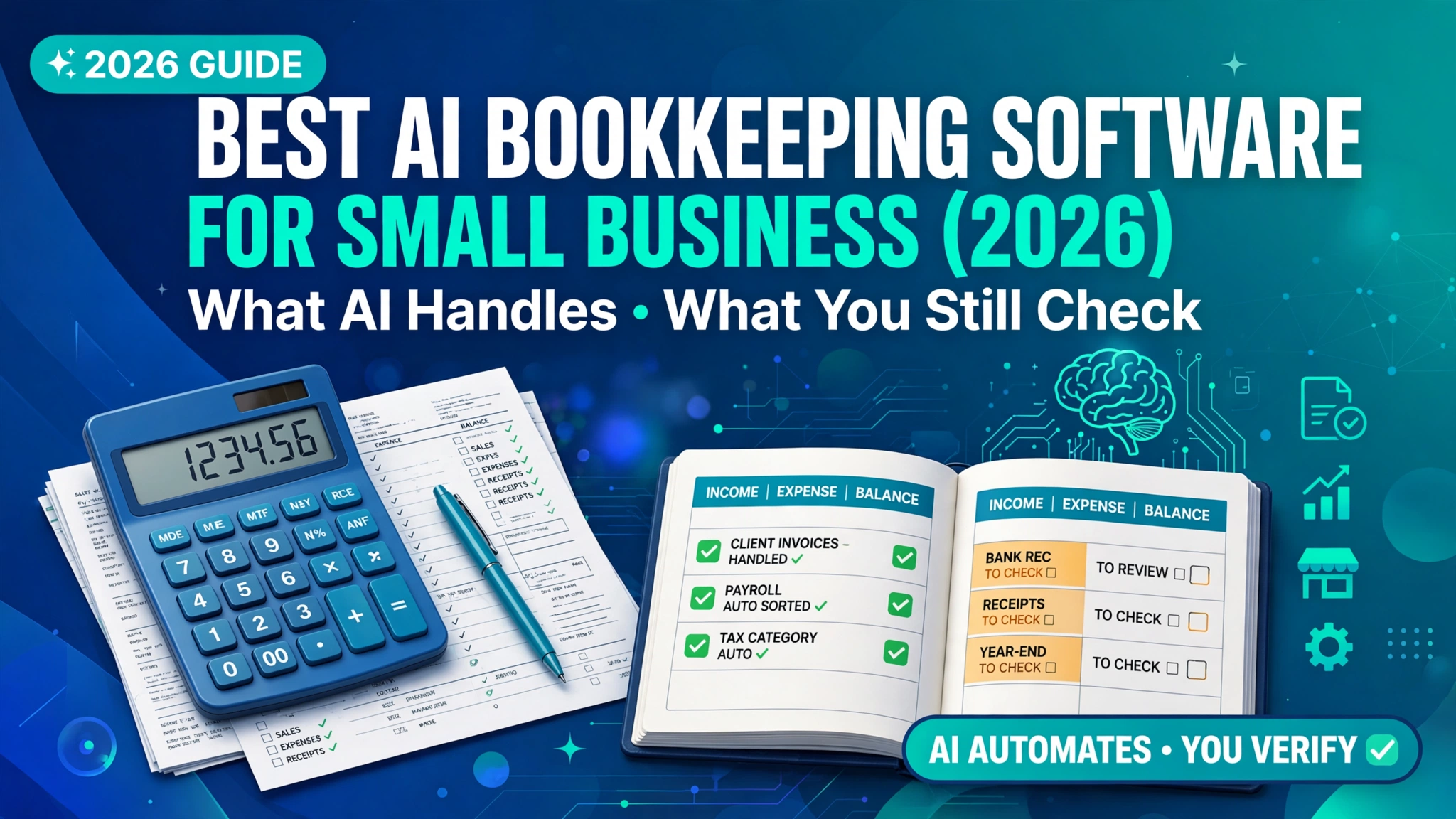
Best AI Bookkeeping Software for Small Business (2026): What AI Handles, What You Still Check
The best AI bookkeeping software depends on which of three products you actually need: a full accounting platform, a receipt-capture layer, or… Read More →
-

Best AI Literature Review Tools (2026): Elicit, Consensus, Scite & More — by Review Stage
Literature review tools are complements, not substitutes. Here are 8 tools organised by the stage of the review they serve — so… Read More →