

Quick answer: Leonardo AI is the best value in AI image generation — 150 free tokens a day, no credit card required, good for roughly 10–30 basic generations. Start free; pay from ~$10–12/month when you need private generations, custom LoRA training, or real volume. The catches: free-tier output is public, the token economy punishes undisciplined experimenting, and in-image text still comes out mangled. Our rating: 8.5/10.
Leonardo AI sits in an interesting spot. It’s more powerful than the casual tools, more accessible than the pro ones, and it owns the most generous free tier among major AI image platforms: 150 tokens daily, no credit card required. For beginners, game artists, and budget-conscious creators, it’s the default recommendation.
But “free” comes with a token economy that punishes curiosity, and the platform’s depth can genuinely overwhelm. We tested Leonardo across illustration, product mockups, character work, and social graphics. Here’s what’s genuinely good, what’s marketing gloss, and whether you should pay.
Affiliate disclosure: this review is independent and hands-on. If you subscribe via our links, we may earn a commission at no extra cost to you.
Leonardo AI at a glance:
| Free | Paid (from ~$10–12/month) | |
|---|---|---|
| Daily/monthly tokens | 150/day (roughly 10–30 basic generations) | ~8,500/month on entry plans |
| Privacy | Public gallery | Private generations |
| Custom training (LoRAs) | No | Yes |
| API access | No | Higher tiers |
| Best for | Beginners learning the craft | Production work, game assets, volume |
Prices verified: October 2026.
What does Leonardo AI do?
Leonardo is a browser-based AI creative platform centered on image generation, with quite the feature list:
- Multi-model library: Phoenix, PhotoReal, Kino XL, anime presets, plus community models (150+ options)
- Custom LoRA training: fine-tune a model on your own reference images for consistent style or characters
- AI Canvas: inpainting, outpainting, and compositing workspace
- Real-time Canvas: watch images render as you type. Great for ideation, hungry for tokens
- Character Consistency Engine: keep a character’s identity across generations
- Universal Upscaler: resolution enhancement with detail reconstruction
- Motion module: animate stills into short clips (basic)
- API access: for developers (higher tiers)
That’s a lot, and honestly that’s both the selling point and the problem, as you’ll see in the weaknesses section.
How does Leonardo’s token system work?
Leonardo doesn’t sell “credits.” It sells tokens, deducted by computational cost. The more expensive the operation, the more tokens it eats. Exact costs shift with the model and settings, so treat these as rough ranges:
- Basic generation: a few tokens per image on the cheaper models, a few dozen at higher quality settings
- Alchemy refiner (the quality boost): roughly 10 to 15+ tokens per image
- Upscaling and Canvas edits: moderate token costs
- Video generation: 100+ tokens per clip. The budget killer.
The free tier reality: 150 daily tokens works out to roughly 10 to 30 basic generations a day, depending on the model and settings you pick. That’s genuinely generous. Until you enable Alchemy and video, at which point an afternoon of experimenting can burn the whole allowance. The system rewards disciplined prompting and punishes “generate 50 variations and pick one” workflows. We learned this the hard way during testing, watching our daily budget evaporate by lunchtime on a real-time Canvas session.
Paid tiers (check current pricing, since token allocations shift): entry plans run around $10 to $12/month for roughly 8,500 monthly tokens plus private generations and custom training. Higher tiers add API access, priority queues, and bulk training. Annual billing typically saves around 20%.
What are Leonardo AI’s strengths?
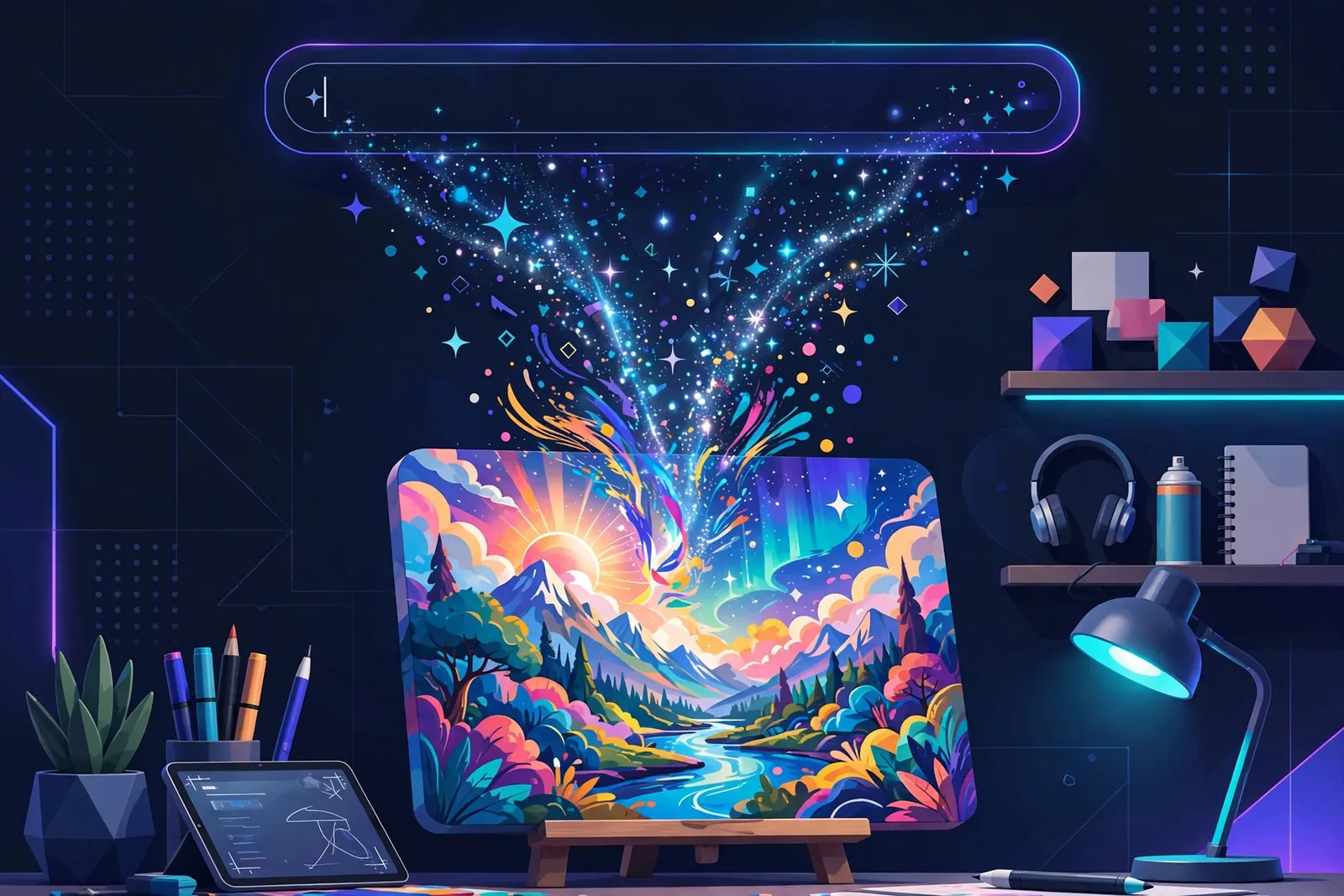
Best free tier in the category. No other major platform gives this much daily generation for $0. It’s the reason Leonardo is the default “try AI image generation” recommendation, and it deserves the title. We sent complete beginners to the free tier and they were making respectable illustrations within an hour.
Control and consistency. Model selection, negative prompts, seeds, ControlNet-style guidance, and custom LoRAs give you levers that Midjourney doesn’t. For production work, game assets, product shots, branded series, that control is the product. You can specify exactly what you want instead of hoping the black box cooperates.
Complete workshop. Generation, editing, upscaling, and compositing live in one dashboard. Beginners avoid the tool-sprawl tax of generating in one app, editing in another, and upscaling in a third.
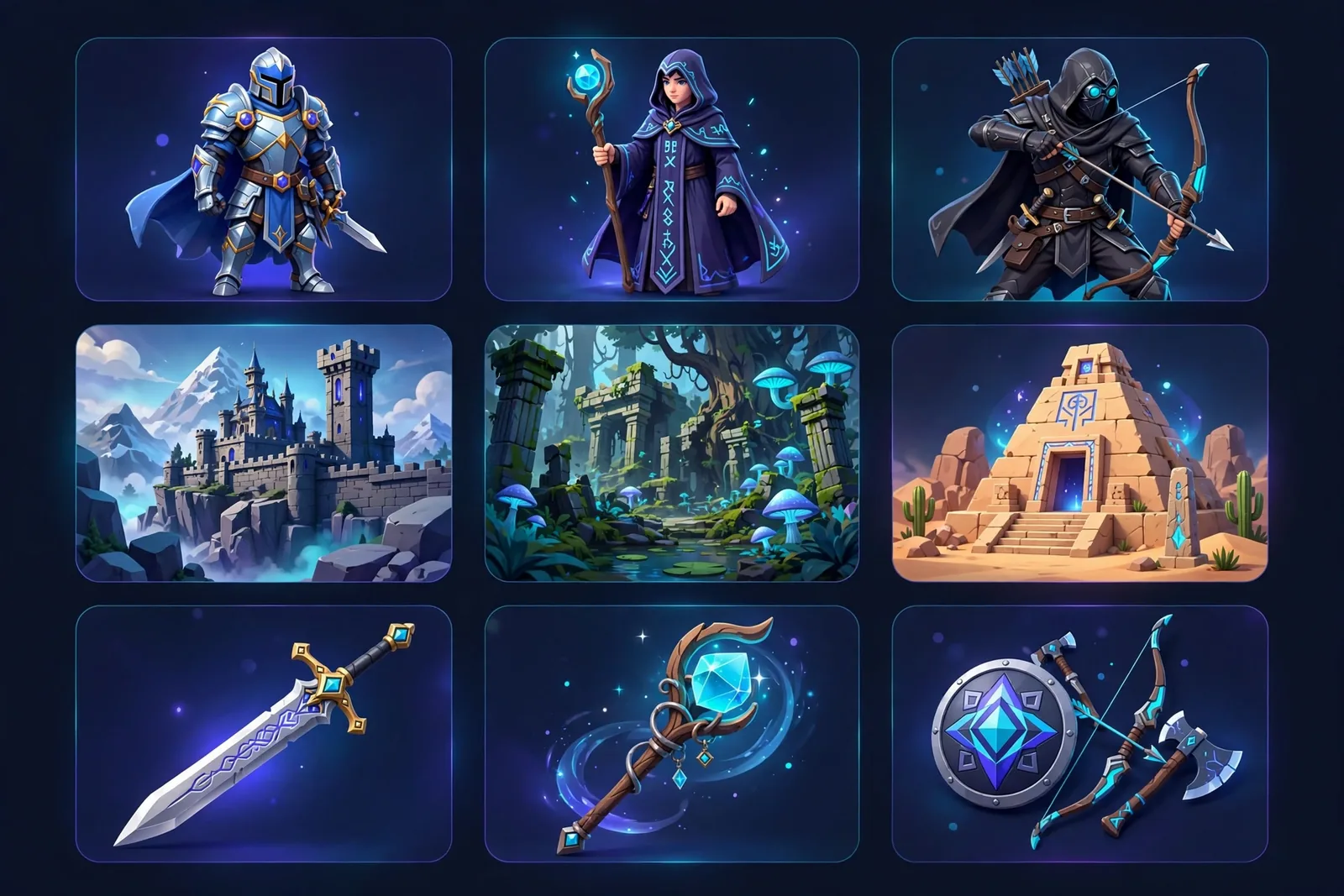
Game-art specialization. The fine-tuned model library (isometric, pixel art, character reference, textures) makes Leonardo the go-to for indie game developers doing concept art and asset generation on a budget. This niche focus is smart. Game artists have consistent, repeatable needs, and Leonardo serves them specifically.
What are Leonardo AI’s weaknesses?
Free images are public. Everything you generate on the free tier lands in Leonardo’s community gallery. Fine for practice. Unacceptable for client or confidential work. Privacy starts at paid tiers, full stop. This caught us off guard the first time, and we make a point of warning everyone now.
Text in images is unreliable. Like most generators, Leonardo mangles in-image text. Posters, logos with wording, social graphics with copy. For text-heavy visuals, Ideogram remains the specialist. We burned a painful number of tokens learning this lesson.
Interface complexity. Model selectors, token calculators, Alchemy toggles, Canvas modes. It’s a lot for someone who just wants a nice picture. Budget a few sessions before it feels natural. The first hour is confusing; the third hour is fine.
Video is a bonus, not a selling point. The Motion module’s 2 to 5 second clips show artifacts and physically odd movement. For serious AI video, Runway or Kling are better tools. Don’t choose Leonardo for video.
Community model roulette. User-contributed models vary wildly in quality. Fun to explore, but set a time limit before it eats your afternoon. We say this from personal experience.
Who should use Leonardo AI?
- Beginners learning AI image generation (free, guided, forgiving)
- Indie game developers needing concept art and assets on a budget
- Content creators wanting consistent branded visuals (custom LoRAs)
- Freelancers doing product mockups and social graphics
- Hobbyists exploring fine-tuned models and ControlNet-style control
Skip it if: you need gallery-grade artistic output with zero configuration (that’s Midjourney), reliable in-image text (Ideogram), or serious video generation (Runway or Kling).
One more thing worth saying about getting started. Leonardo’s onboarding is genuinely friendly for a tool this deep. The guided prompts, tooltips, and community gallery mean your first session teaches you something real. We pointed a friend with zero AI image experience at it on a Friday afternoon, and by Monday she had a set of product mockups good enough for her Etsy listings. That’s the free tier doing exactly what it should.
The learning curve is real, though. We won’t pretend otherwise. Expect your first few hours to involve a lot of tab-switching and second-guessing which model to pick. But the ceiling is high, and unlike tools that hide everything behind one magic box, Leonardo rewards the time you invest. Stick with it past the first week and the difference in your output is hard to miss.
The Token System, Without the Headache
Leonardo’s token system confuses every new user, so here’s the simple version: everything you generate costs tokens, fancier models cost more tokens, and your allowance refills on a schedule. That’s it. The practical rule: learn on the cheap models, spend tokens on final pieces. Most beginners waste their best tokens on experiments a cheaper model would have handled fine.
Think of it like film photography. You wouldn’t shoot test shots on the expensive film stock. Same principle. And if you consistently run dry before the refill, that’s your signal to upgrade, not a flaw in the system.
Frequently Asked Questions
Is Leonardo AI really free?
Yes. 150 tokens/day, no credit card, genuinely usable. Limitations: public gallery, no custom training, token-hungry advanced features.
How many images can I make per day free?
Roughly 10 to 30 basic generations, depending on the model and quality settings. Enable Alchemy or video and that number drops sharply.
Is Leonardo AI better than Midjourney?
Different strengths. Leonardo wins on control, features, and free access; Midjourney wins on raw aesthetic quality. See our full Leonardo vs Midjourney comparison.
Can I sell images made with Leonardo?
Commercial rights come with paid plans (verify current terms). Don’t build client work on free-tier generations.
Does Leonardo do video well?
Basic short clips only. It’s a nice extra, not a reason to choose the platform.
What about privacy?
Free means public gallery. Paid tiers add private generation. For confidential work, pay or use a local tool like Stable Diffusion.
Conclusion
You don’t need anyone’s permission to just try it — that’s the whole point of the free tier. Sign up, burn today’s 150 tokens on something fun, and pay attention to what the token meter teaches you about which settings cost what. If a week of that leaves you with images you’re proud of and a feel for prompting, you’ve already gotten the best possible introduction to AI image generation for zero dollars. Pay later, when privacy or volume actually demands it.
Keep reading:
– Leonardo AI vs Midjourney
– Midjourney Review
– Best Free AI Image Generators